Dirigo
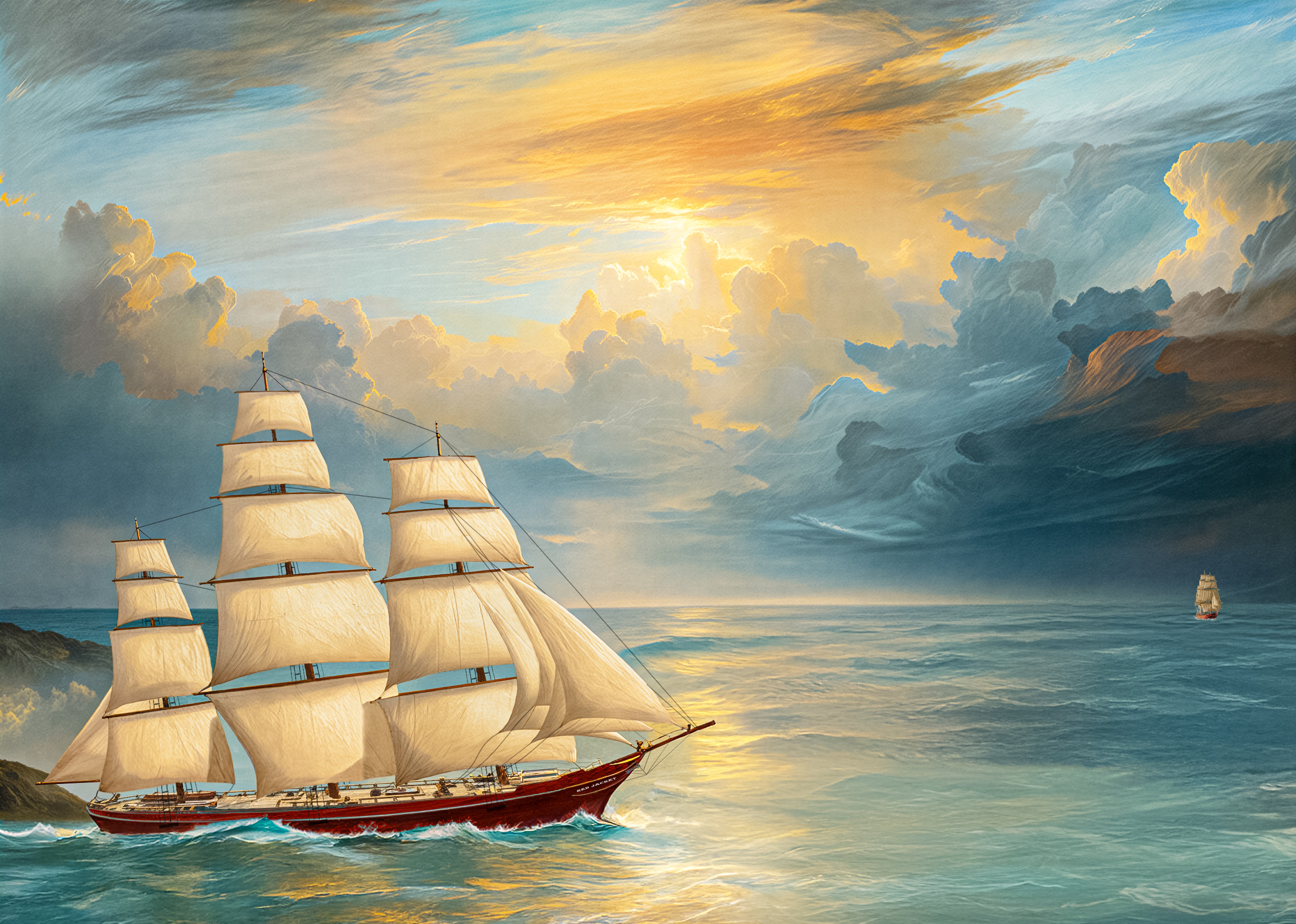
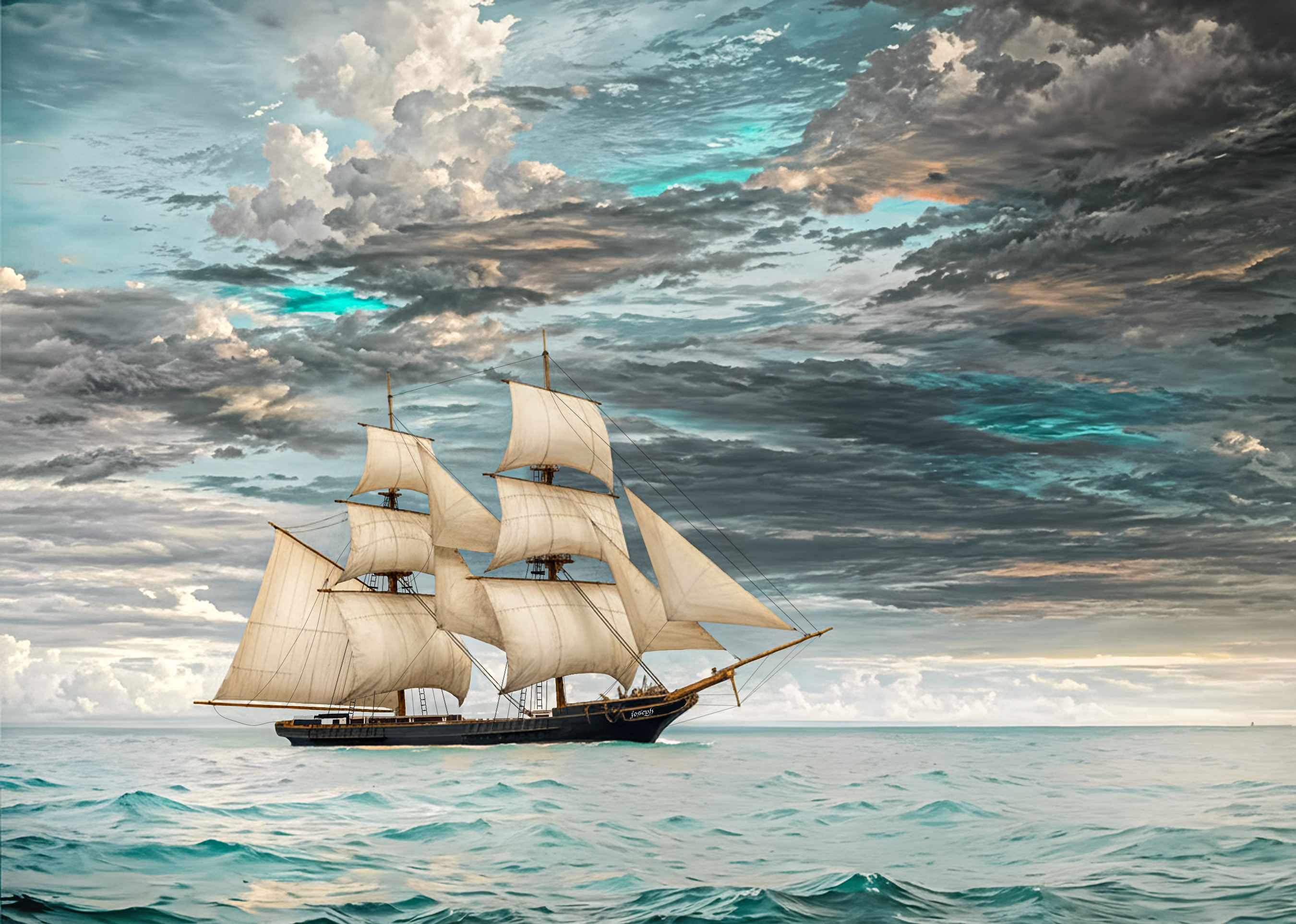
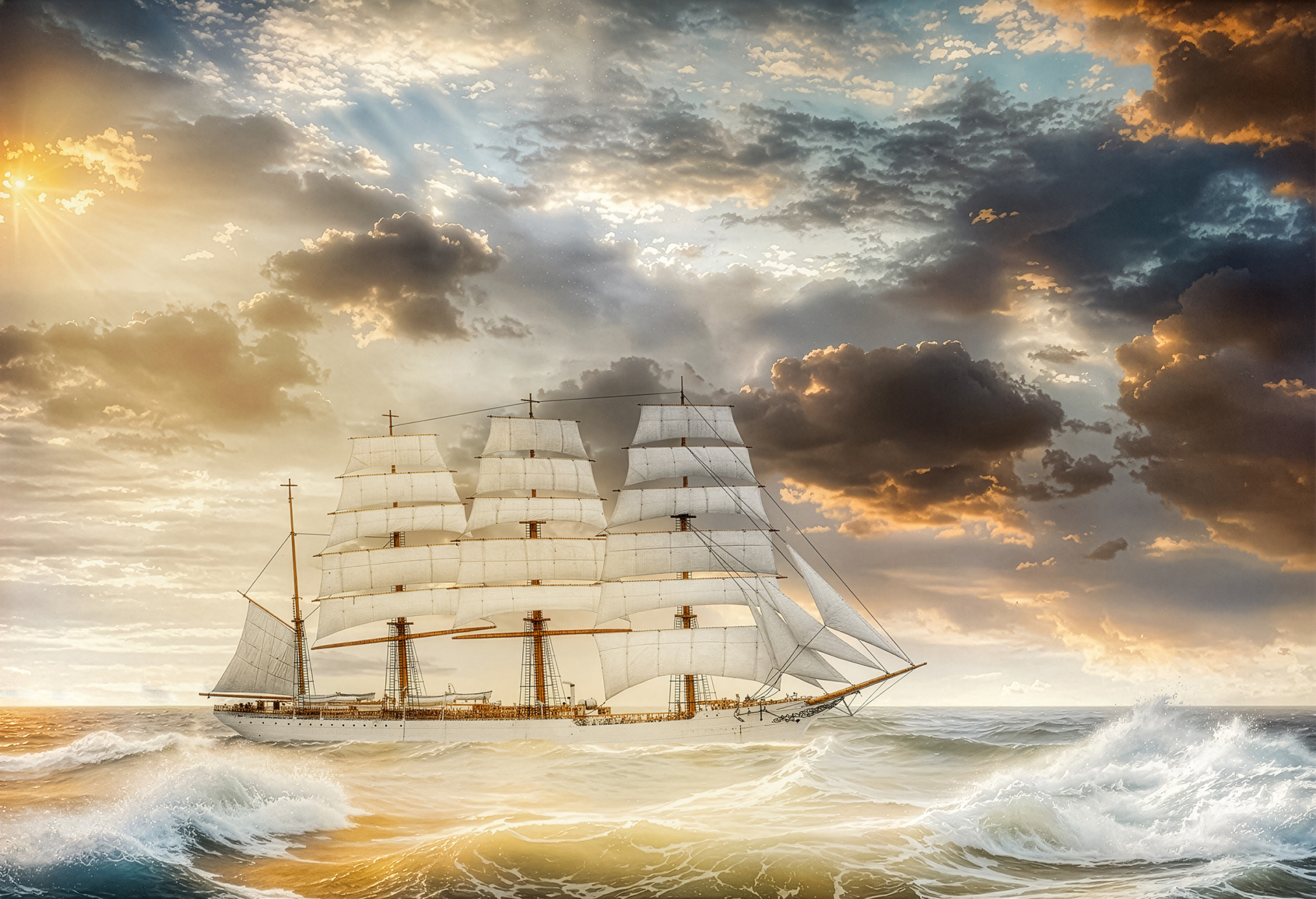
Dirigo, the Latin word meaning “I direct” or “I lead,” serves as both the motto of the state of Maine and a fitting name for a vessel of significance in American maritime history. The steel sailing ship Dirigo, constructed in 1894 by Arthur Sewall & Co. of Bath, Maine, marked a pivotal moment in the evolution of shipbuilding in the United States: she was the first steel-hulled sailing vessel built in the nation, a bold departure from the centuries-long tradition of timber construction that had shaped both the physical and cultural identity of American seafaring.
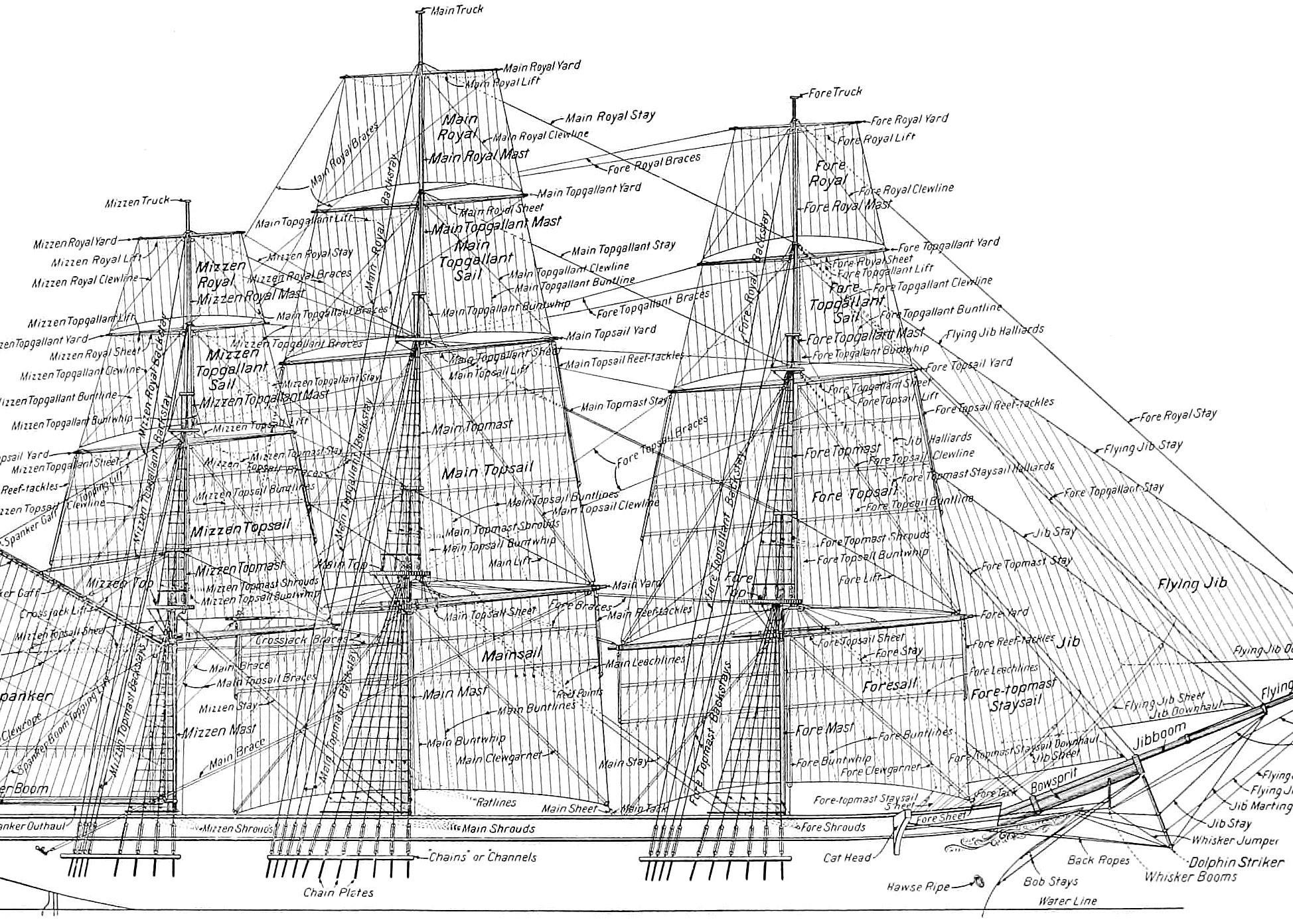
The Sewall shipyard, the most successful shipbuilding firm in Bath for several decades, built more than one hundred merchant ships, mostly deepwater square-riggers, It was the only American yard of its time to pivot successfully from wooden sailing vessels to steel. The Dirigo herself, measuring 3,005 gross tons and extending 312 feet in registered length, belonged to the last great generation of deepwater square-riggers.
In 1912, Dirigo undertook a 14,000-mile passage from Baltimore to Seattle, carrying 4,576 tons of coal. Aboard were the American writer Jack London, his wife Charmian, their Japanese servant Nakata. and their dog Possum. From this voyage, London drew the material for his 1914 novel The Mutiny of the Elsinore, a work that inspired three film adaptations.
In The Book of Jack London, Charmian clarifies that they were NOT part of the working crew:
“We paid $1000.00 for our passage, and, since such vessels carry no passenger license, had to sign on the articles, Jack as third mate, myself as stewardess, and Nakata as cabin-boy.” She explains that, “two long connecting staterooms had been fitted up for us”. (Jack mirrors this arrangement in the novel, writing: “….Mr. Pike, the first mate of the Elsinore, to knock out the partition between my state-room and the spare state-room adjoining.”)
After Sewall sold the Dirigo to San Francisco owners in 1915, her fate was sealed by the geopolitical upheavals of the First World War. In 1917, she was sunk off the Irish coast by a German submarine, her destruction emblematic of the broader annihilation of the world of commercial sail by the relentless forces of modern mechanized increase. The Dirigo had been a vessel navigating between the age of sail and the age of iron, between the realm of mythic seafaring and the sober, often brutal realities of increase.
Years later, Charmian reflected on the loss: “….. to find my feet again treading the deck or the fore-and-aft bridge of the Dirigo, stately and beautiful moving house of ocean, now, along with our old friend the Tymeric, at one with the slime. For the Huns got them both. I would that mermen and mermaids could people them for aye.”